
The story of sunday dinner
Sunday Dinner began as a single, high-impact event intended solely to enhance my professional portfolio. I never set out to build and sustain a community, yet sometimes the universe intervenes. I'm Chelsea Redding, and I have over a decade of professional experience in branding, marketing, and creating events and experiences—and frankly, I'm tired of the uninspired state of many cannabis spaces and activations.
My journey with cannabis started here in Baltimore, Maryland, where I was born and raised. Back in 2012, like most people, I was navigating the illegal market. This meant knowing a grower, growing your own, or having a "plug"—in my case, a deadbeat stoner boyfriend. He exposed me to the low end of cannabis culture, and I've been aiming higher ever since. I moved past multiple Saturday dime-bag pickups in various sketchy locations (thanks to that boyfriend) to bonding with my stoner mother, who provided free, discreet deliveries straight through my college years. Even though I can now easily purchase my own supply, she still surprises me with a nice eighth in packaging that carries her familiar, pleasant scent (and the good stuff).
My life shifted with a move to Arizona in 2019. Within a year, cannabis was recreationally legalized, putting Arizona years ahead of Maryland with an established landscape of dispensaries. I quickly located five spots near my apartment, all less than a ten-minute drive, and integrated a dispensary stop into my weekly routine. However, the experience of lining up in a clinical setting week after week felt dissonant with my Black suburban sensibilities; I craved something sophisticated and appealing.
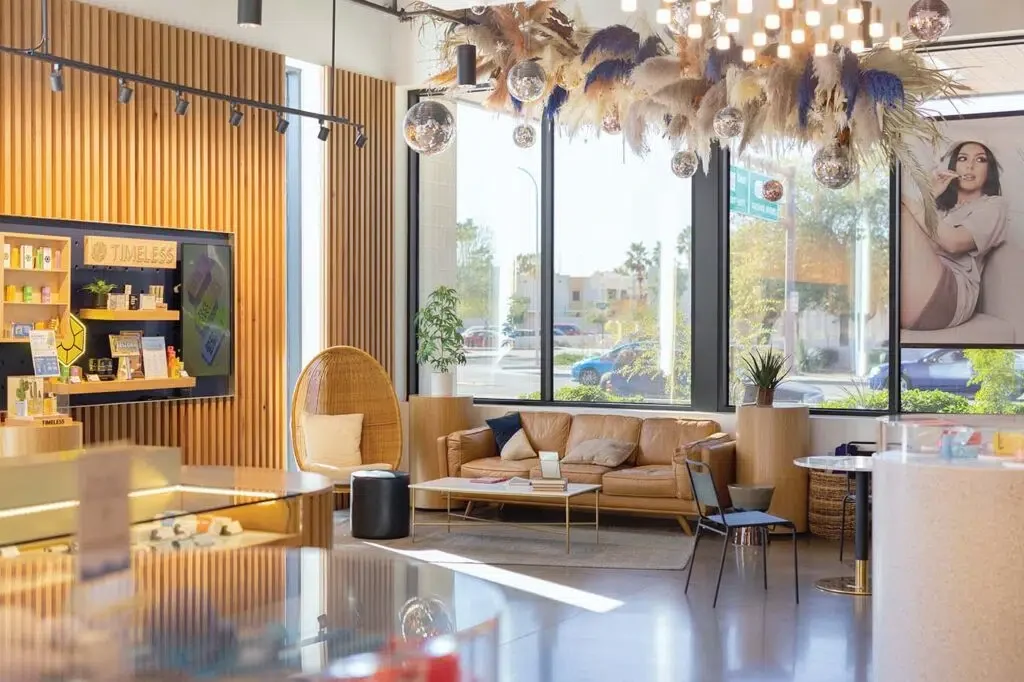
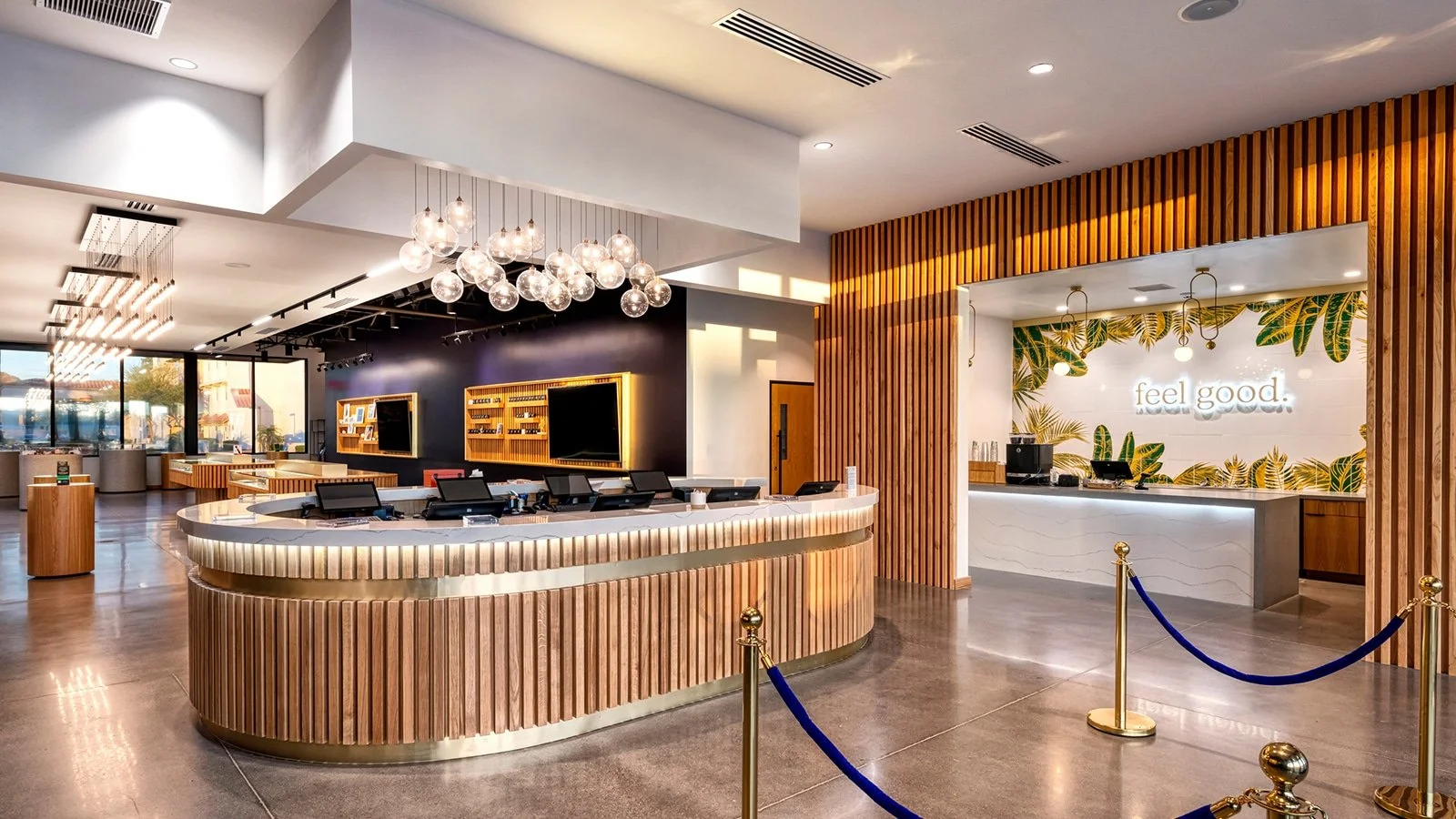
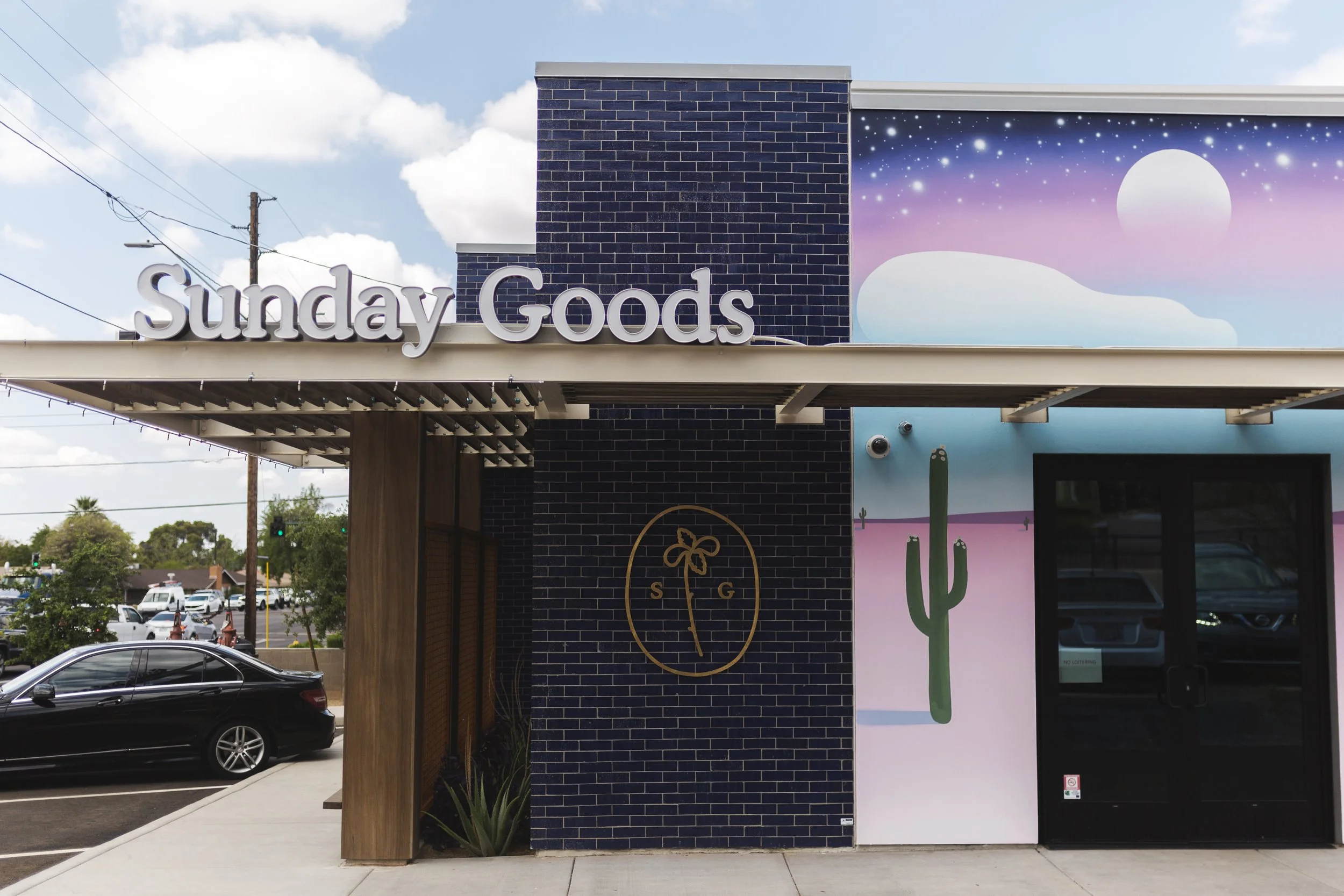
That's when Sunday Goods appeared. With a graphic design background and a keen eye, I was instantly drawn to their clean, distinctive branding and their willingness to infuse art and a hospitality-focused experience into the cannabis retail space. They commissioned local muralists, the interiors felt more like a pleasant shopping trip than a taboo stop, and the merchandise was simple and stylish. They offered cold brew and kombucha, staff circulated the floor with tablets like Apple employees, and the flagship store in a college town even featured a drive-through. I not only shifted my loyalty to their locations but also to their products. My apartment soon became a collection of their little brown jars and navy blue gold-flecked bags. My fascination intensified to the point of applying for a job, even pitching Sunday Dinner as a "quiet storm" style dinner-hour podcast to them. But the cannabis industry, as we all know, is often an impenetrable barrier unless you have existing connections. Furthermore, it was a distinctly white space, which adds complexities that are invisible to outsiders but significant for us.
I eventually abandoned my efforts to break into the industry and transitioned into non-profit work, which brought me back to Baltimore in 2022. Weed had become recreationally legal in Maryland the same year. I began the process of finding my brand in the summer of 2023. It took time, but I found it—and now, four years later, I'm still searching for true fulfillment.
The Build-up & The Pivot
The Build-up & The Pivot
If you appreciate fine dining and cannabis, you've likely enjoyed a smoke before a four-star meal and thought, "Why can't these two worlds just come together?"
Infused dinners are nothing new; they're happening all across the legal landscape. However, I haven't seen one executed with genuine creativity and intention. The typical event is often ten tables of ten, featuring a single chef who spends more time discussing themselves than, you know, their craft. Several courses consist of food my own mother could make, often paired with cheap wine. Beyond food, the market is saturated with simple activities: Puff and Paint, Puff and Yoga, Puff and Pole—just pick an activity and add weed. Frankly, this is my everyday life. Why should I pay a registration fee for a mediocre $7 pre-roll and a folding chair? And don't even get me started on the industry events; the last one felt like I stumbled into the gorilla pit at the zoo. Complimentary product seems to attract the worst of cannabis culture's riff-raff, and I absolutely refuse to share space with them again.
I could continue to complain, mostly to myself, about the lack of class and proper etiquette in this space, or I could just step up and do it right. Within weeks, I assembled an entirely Black Femme team, including two phenomenal chefs, a gifted mixologist, and a long list of BIPOC creatives filling all the gaps. When I took my "stuck up" cannabis sensibilities to Threads, Sunday Dinner blew up. People in other cities asked if we would bring the dinner to them. D.C., Chicago, and even Houston were showing us love, and I hadn't even gotten the project off the ground.
The real hurdle was the brands and dispensaries. This kind of work is challenging without trades or cash, and we could only accomplish so much with the two thousand dollars in sponsorship money we managed to secure. Between that and ticket sales, every dollar goes to the team and contracted partners. As the organizer, I have no desire to profit from this; I have a full-time job for money and am not interested in tying my livelihood to a nebulous idea. I simply want to do the thing. We desperately needed a new strategy—a stronger foundation to "prove" our concept was worthy of investment.
This brings me back to what I know best: planning and executing well-organized events that elevate deserving communities. Don't you agree that BIPOC stoners deserve nice things too?